Foundation settlement can affect the stability, comfort, and value of your home. Some warning signs are easy to see. Others develop slowly and may look like minor household problems.
Cleveland homes face changing weather, heavy rain, snow, and repeated freeze-thaw cycles. Poor drainage and shifting soil can also weaken the support beneath a foundation.
One small crack may not mean your home has structural damage. However, several signs appearing together may point to a settled foundation. Early inspection can help you understand the cause and avoid unnecessary repairs.
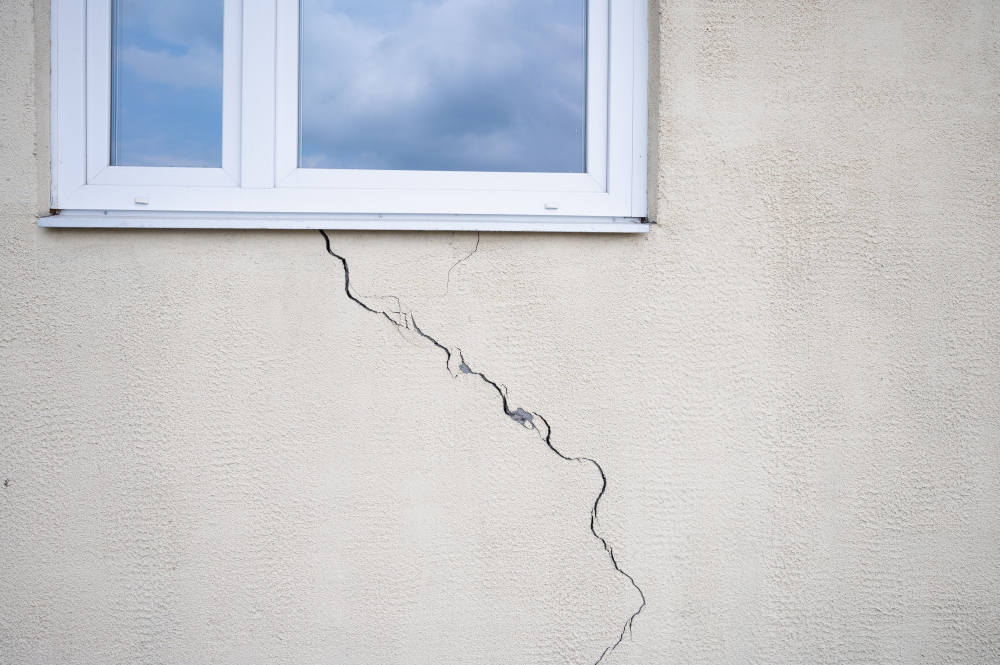
Interior cracks are among the most common signs of structural movement. Pay attention to diagonal cracks near doors and windows. Cracks that extend from a wall into the ceiling may also need inspection.
Small hairline cracks can develop for several reasons. The crack becomes more concerning when it widens, returns after repair, or appears in several rooms.
Also check for loose trim, separated moulding, and gaps where walls meet the ceiling.
Foundation settlement can place stress on brick, concrete block, and mortar joints. This stress may create a stair-step crack that follows the masonry pattern.
You may also see horizontal cracks, separated mortar, or gaps near exterior openings. These changes often appear when one section of the foundation settles more than another.
Mark the ends of a visible crack and monitor it. A growing crack needs professional attention.
A settled foundation can cause floors to slope toward one side of a room. You may notice furniture leaning or small objects rolling across the floor.
Other warning signs include:
Uneven floors can also result from damaged beams, joists, or excess moisture. An inspection can determine whether the problem involves the foundation or another part of the structure.
Doors and windows may stop fitting properly when foundation movement changes the shape of their frames.
A door may scrape the floor or refuse to latch. A window may become difficult to open. You may also notice uneven spaces around the frame.
Seasonal humidity can cause minor changes in wood. However, several sticking doors and windows may indicate uneven foundation settlement.
Structural movement can pull walls away from fixed parts of your home. This may create visible gaps around window frames, doors, cabinets, worktops, or baseboards.
These gaps may start small and become more noticeable over time. Look for changes in several areas rather than one isolated space.
New gaps combined with cracks or sloping floors may mean that part of the house is shifting.
A chimney is heavy and may have its own supporting base. If the soil beneath it settles, the chimney can lean or pull away from the house.
Look for:
A damaged or leaning chimney can create a safety risk. Arrange an assessment as soon as you notice movement.
Not all foundation cracks are equally serious. A thin, stable vertical crack may be less concerning than a wide or changing crack.
Warning signs include:
These problems may involve soil pressure, settlement, or water intrusion. Our foundation lifting services address structural settlement.
Uneven settlement can cause different parts of a house to pull apart. You might see a gap between a wall and ceiling or between the floor and baseboard.
Exterior features may also move. Porches, steps, additions, and garage walls can separate from the main structure.
These changes suggest more than a surface defect. The supporting structure may need foundation stabilization or structural foundation repair.
Sunken concrete near your home may indicate soil loss or poor support. Driveways, patios, walkways, and garage slabs can all settle.
A sinking slab does not always mean the main foundation needs lifting. Concrete lifting may be enough for a non-structural surface. However, visible settlement along the house itself requires a closer evaluation.
A specialist can determine whether you need slab lifting or another form of settled foundation repair.
Water does more than leave a basement damp. It can wash away supporting soil, increase hydrostatic pressure, and enter through foundation cracks.
Common moisture signs include:
Waterproofing will not lift a sunken foundation. Foundation lifting will not correct every drainage issue. Treating both the structural movement and its moisture source may provide a more complete solution.
You should arrange an inspection when foundation warning signs spread, worsen, or appear together.
Seek prompt advice if you notice:
Do not cover active cracks with paint or caulk before finding the cause. Cosmetic work may hide the symptom without stopping the settlement.
A foundation inspection should examine both the visible damage and the conditions around your home.
The process may include:
The findings help determine whether the home needs monitoring, waterproofing, or structural lifting.
Foundation lifting can raise and stabilize a sunken section of a home. It may improve alignment and reduce continued stress on walls, floors, and openings.
The work may help:
Not every home can or should be returned to its exact original position. The repair plan must reflect the building’s condition and the risks involved.
Good water management can reduce pressure on your foundation. It cannot reverse existing structural damage, but it may help prevent conditions from becoming worse.
Keep gutters clear and direct downspouts away from the house. Repair plumbing leaks quickly. Maintain grading that carries water away from the foundation. You should also monitor existing cracks for changes.
If you see both moisture and settlement, address them as connected issues.
Foundation problems rarely improve on their own. Cracks, uneven floors, and basement moisture may all point to movement beneath your home.
Atlas North Structural Foundation & Waterproofing provides foundation lifting and waterproofing solutions in Cleveland, OH. We assess the visible damage and possible causes before recommending a repair approach.
Call (216) 563-2788 to discuss your concerns and request an inspection.