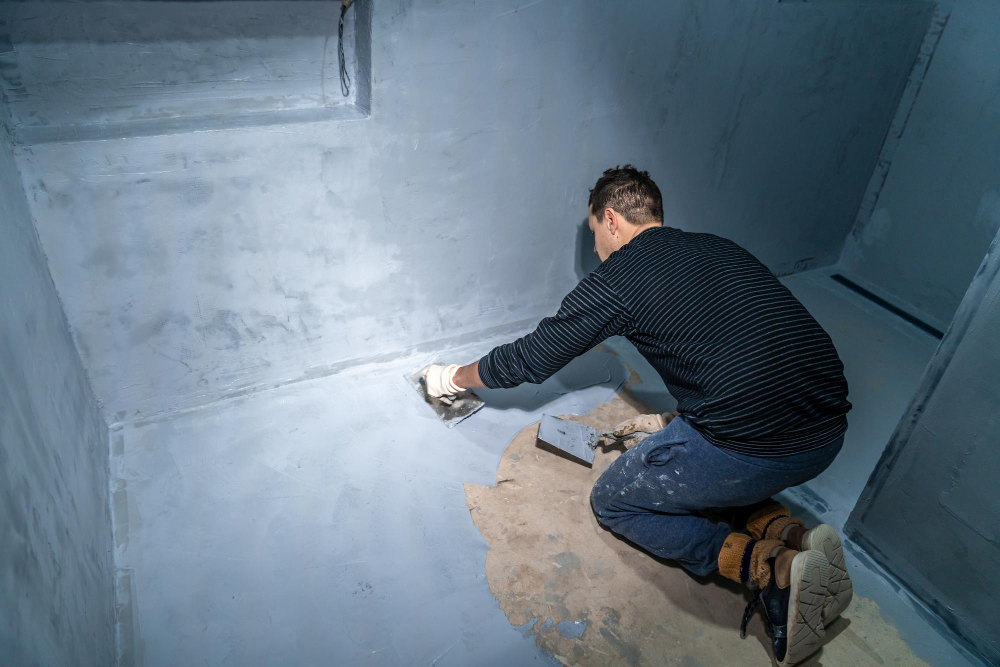
A wet basement can affect your entire home. Water may damage walls, flooring, furniture, and stored items. It can also create musty odors and support mold growth.
Basement waterproofing controls moisture before the damage spreads. It protects your foundation and creates a cleaner, drier space for your family.
This protection is important in Cleveland. Heavy rain, melting snow, and freeze-thaw cycles can increase pressure around your foundation.
Basement waterproofing uses drainage and moisture-control systems to keep water out of your basement.
Depending on your home, the solution may include:
A coat of paint may hide a damp wall for a short time. Proper waterproofing addresses the source of the water.
Water can enter through small cracks, open joints, or porous concrete. It may also leak through basement windows and gaps around pipes.
Common causes include:
Wet soil also creates hydrostatic pressure. This pressure pushes groundwater against the foundation and through weak areas.
Basement water can damage more than the area where you first notice it. Moisture may spread through walls, flooring, insulation, and wooden framing.
A wet basement may lead to:
Repeated leaks can also damage furniture, appliances, documents, and family belongings. Fixing the water source early may help you avoid ongoing cleanup and repairs.
Too much water around your foundation can cause serious problems. Saturated soil places pressure on basement walls. Water can also enter existing cracks and damage concrete or masonry.
A foundation waterproofing system redirects water away from vulnerable areas. This helps reduce pressure, seepage, and long-term moisture exposure.
However, waterproofing cannot correct every structural issue. Bowing walls, wide cracks, uneven floors, and settlement may require structural repair. If you notice these signs, learn more about our foundation lifting services.
A well-designed system collects water and moves it away before it covers your basement floor.
Interior French drains or drain tile systems collect water near the basement perimeter. They direct it toward a sump basin.
This method can help manage groundwater and leaks around the wall-floor joint.
A sump pump removes collected water from beneath your basement. It sends the water through a discharge line and away from the foundation.
The pump needs regular testing. Some homes may also benefit from a suitable backup system.
Exterior waterproofing helps stop water before it enters the foundation. It may involve excavation, crack repair, a waterproof membrane, drainage boards, and footing drains.
Read our guide to interior vs. exterior waterproofing to compare these two methods.
Mold and mildew grow in damp spaces. A leaking basement gives them the moisture they need.
Waterproofing helps reduce water intrusion and high humidity. This creates a less favorable setting for future mold growth. It may also help reduce the damp, musty smell that can move into other parts of your home.
Existing mold may need separate cleaning or remediation.
Water can ruin flooring, drywall, insulation, furniture, and electrical equipment. It can also damage boxes, tools, documents, and family keepsakes.
Basement waterproofing gives added protection to:
A dry basement is easier to use and maintain. It also gives you more confidence when storing valuable items downstairs.
Your basement may show warning signs before a major leak happens.
Look for:
Do not ignore repeated moisture. An inspection can help determine whether the cause is groundwater, poor drainage, or a foundation crack.
Neither method is right for every home.
Interior waterproofing manages water from inside the basement. It may include drain tile, a sump pump, crack sealing, and a vapor barrier.
Exterior waterproofing blocks water from outside. It may include foundation excavation, waterproof membranes, footing drains, and grading improvements.
The best option depends on the water source, foundation condition, soil, and property layout. Some Cleveland homes may need a combination of both methods.
The process begins with a careful inspection.
The contractor checks the walls, floor, cracks, drainage, and signs of water entry.
The inspection helps determine whether the problem comes from rainwater, groundwater, or damaged foundation materials.
The plan may include crack repair, interior drainage, a sump pump, a vapor barrier, or exterior waterproofing.
The drainage path and equipment should be checked. Homeowners should also receive clear maintenance guidance.
Good exterior maintenance can reduce the amount of water reaching your foundation.
You can help protect your home by:
These steps help manage surface water. Persistent leaks may still require professional waterproofing services.
Basement waterproofing can be a practical investment when water keeps entering your home. It addresses the moisture source instead of relying on repeated cleanup.
A suitable system may help you:
The best time to investigate a leak is when you first notice it.
Basement waterproofing protects more than the lowest level of your home. It helps defend your foundation, indoor space, belongings, and comfort.
At Atlas North Structural Foundation & Waterproofing, we provide professional waterproofing services. We can assess your basement and help identify an appropriate way to manage the water.
Concerned about a wet or leaking basement? Call us at (216) 563-2788 to discuss your waterproofing needs.